



What is an ADU 
A Guide for Charlotte Homeowners
Definition of an Accessory Dwelling Unit
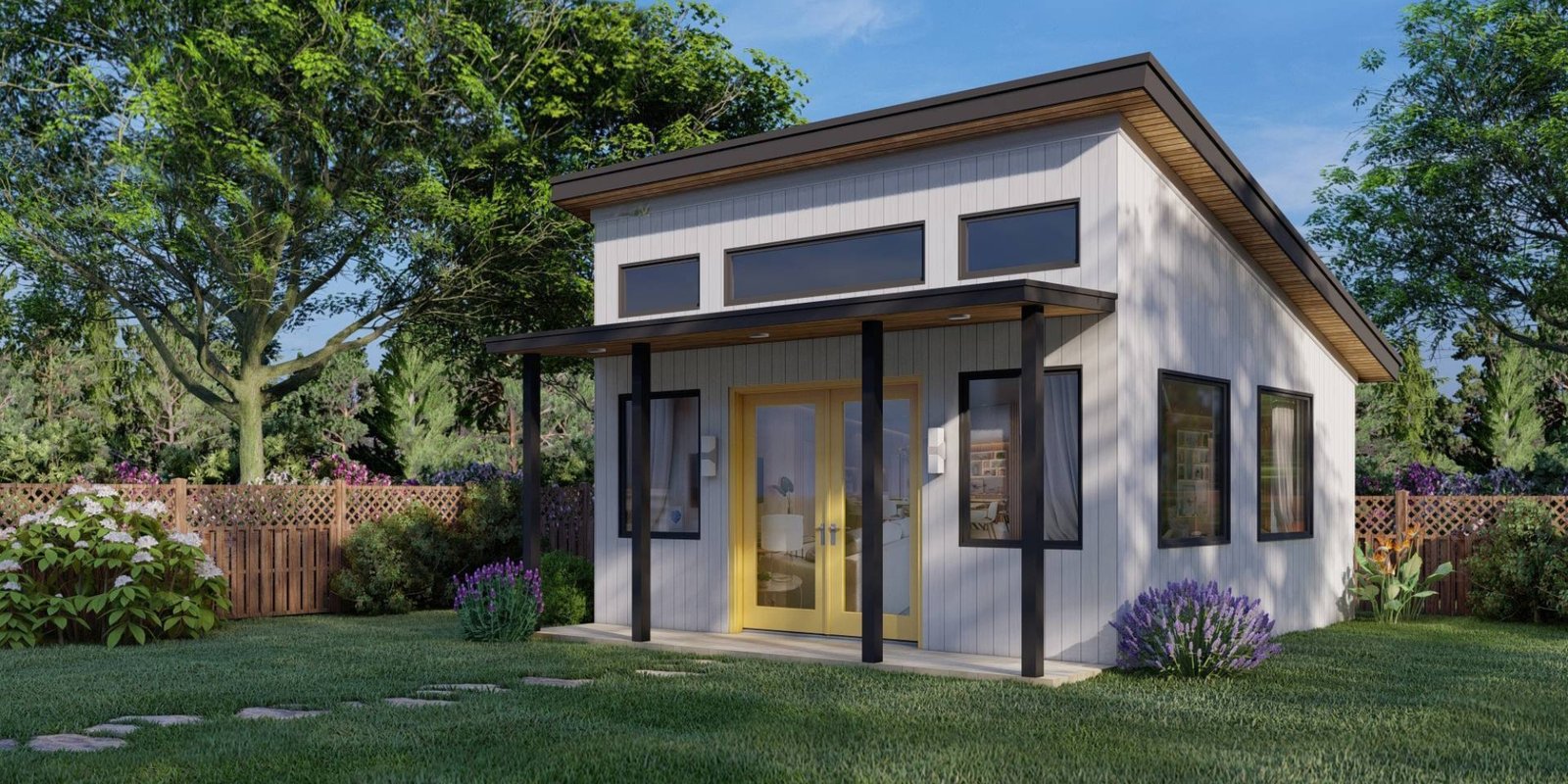
A lot of people often ask, “What is an ADU?” and picture something complicated or loaded with legal fine print. In reality, an accessory dwelling is simply a small second unit placed on the same property as your main home. It has everything a person needs to live: a kitchen, bathroom, a sleeping space, and a separate entrance, all comfortably. Once you understand that, it becomes much easier to picture how it fits into your life.
Think of it like this. You keep your home. You keep your lifestyle. You add another private dwelling unit that works independently while still sitting right in your backyard or attached to your house.
Some homeowners use an ADU as a guest suite. Some use it for aging parents. Some use it for returning adult kids who need space to reset. Some see it as a way to build long-term wealth and stability through clever housing use. It is flexible. It is practical. And with all the growth happening across the city, it is becoming more common than ever.
Table of Contents
How an ADU Works with Your Existing Main Home
An accessory unit does not replace your main house. It complements it. Both spaces live on the same property and either share or reroute certain utilities depending on the layout. What it offers is privacy.
Your guests have their own entrance. Your parents have their own living space while staying close. Your tenant has a place that feels like a real home rather than a cramped room in someone else’s house. For you, the owner, it means greater flexibility in how you use your land and shape your future.
Typical real-world uses include
– a separate retreat for guests
– a quiet space to work
– an independent home for a family member
– or a steady rental that helps support long-term financial stability.
Charlotte families love adus because they solve actual problems with dignity. You do not uproot your parents. You do not spend your weekends searching for available rentals. You use what you already have and build something that creates peace for everyone.
Types of ADUs: Which Style Fits Your Property and Family
Different units fit different lifestyles. Below is a simple breakdown to help you picture each version.
Detached backyard cottage
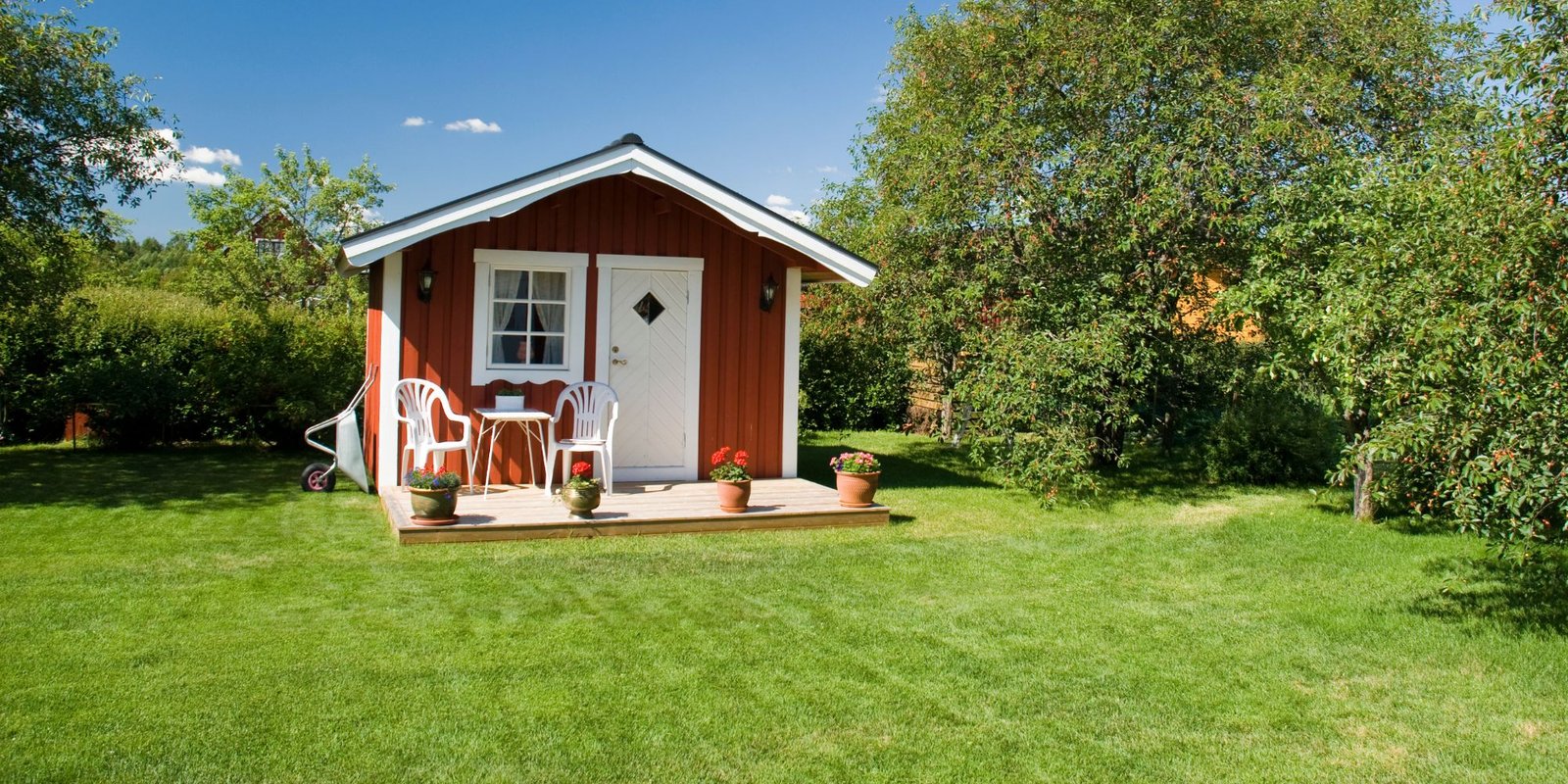
A free standing small house placed in the backyard. This gives the greatest privacy and usually the highest design freedom.
Garage conversion
An existing garage is turned into a complete small dwelling. It often saves money since the shell is already there.
Over garage suite
A new smaller building placed above your garage. This preserves yard space while adding living area.
Attached or interior conversion
A portion of your home is redesigned into an independent unit. This could be a basement suite or a side addition.
Local Rules, ADU Zoning, and ADU Regulations in Charlotte
Every city has rules about where you can build and what size is allowed. Charlotte follows a set of adu zoning rules that aim to balance flexible housing with neighborhood character. These rules are part of the overall adu ordinance, which governs what can be built and how it must function.
You might see phrases such as adu law, adu regulations, or even references to an adu program. These describe how the planning department organizes the process for adding a second accessory dwelling to your property.
A few high-level points are worth knowing. Only one unit is allowed per lot. It has to be built as a permanent construction and cannot be a van, RV, or temporary structure. It needs to meet height and setback rules and must be safe in every sense of the word. These guidelines protect you and everyone around you.
If you live under an HOA, the rules can feel even more layered. It is common for the HOA rules to be stricter than the broader city guidance. That does not mean you cannot build. It just means you navigate both sets of choices the smart way. Good planning goes a long way.
Why Carolina's Building Co?
Years With Charlotte Zoning
Help You Through The Process
ADU Experts
Money Talk: Costs, Returns, and ADU Law Basics
People want straight answers about money. Adu costs shift depending on design size, finishes, and whether you need utility upgrades. A simple attached unit is usually on the lower end. A full detached cottage with all the details is on the higher end. What matters is matching the project to your goals and your property.
Financial returns can look strong. Some owners offset part of their mortgage by renting out the ADU. Others use it to delay moving to a more expensive place, which helps with long-term affordability. Certain families use it as part of an affordable housing approach for relatives or those who need close support.
Legal basics are essential too. A Charlotte adu law framework makes sure everything is permitted correctly and built safely. Most homeowners only need to think about two pieces: the design approval and the construction permit. The second permit links your new structure to inspections that keep the project clean and problem-free.
When money comes into the picture, you might hear about bank loans, equity options, or creative solutions. Not everyone needs financing. Some do. What matters is choosing a path that keeps you comfortable while the building process moves forward.
Why Homeowners Choose ADUs: Benefits Beyond Just Extra Space
The biggest benefit is independence with connection. Parents move into a smaller, private home that keeps them close without compromising their dignity. Adult kids save money while not crowding your living room. Friends who visit have somewhere that feels welcoming without being in your way.
Other wins include a flexible workspace, a quiet retreat for guests, consistent rental income, and the stability of knowing your property is working for you. These units evolve as your life evolves. You do not have to choose a single purpose. You adjust the space as your needs change.
Risks, Tradeoffs, and, Common Mistakes To Avoid
This is real construction. It takes time, money, and thoughtful planning. The most significant risks come from rushing decisions or skipping steps. People sometimes underestimate the impact of privacy noise or parking. A good designer helps you shape the layout so it works for both you and your neighbors.
Mistakes often include starting without a full site review, ignoring HOA rules, or choosing the wrong contractor. An innovative approach is slow at the start and smooth later. The right team makes those choices simple.
From Idea to Move In Your ADU Project Step-by-Step
1. Clarity
Know why you want the adu and what life will look like once it is built.
2. Feasibility Check
Not every property has the same layout. Proper planning looks at setbacks utilities yard space and the broader zoning conditions.
3. Concept Design
This is where you choose the type of accessory dwelling that fits how you live.
4. Engineering and final plans
This is where structural decisions are made and everything aligns with the development rules.
5. Construction
Not every property has the same layout. Proper planning looks at setbacks utilities yard space and the broader zoning conditions.
6. Move in
At this stage, the people you care about get a living space that actually improves everyday life.
How Carolinas Building Company Designs and Builds ADUs in Charlotte
We take pride in offering clear communication, honest expectations, and respectful guidance from the start. Whether you are building a place for parents to age in comfort or creating a long-term rental, our team brings experience in design and building that feels personal.
Our process keeps you in the loop. You see schedules. You understand budget choices. You know what is happening and why. It is not just construction. It is shaping a better future on the land you already own.
Frequently Asked Questions
We believe in clarity from the start. Here are answers to a few questions
We often hear from our ADU clients across the Carolinas.
How long does it take to build an ADU?
Most projects take 3-6 Months, depending on the complexity and site challenges. Factors like grading, access for crews, weather, and HOA requirements can also influence the final timeline.
Can I rent it out?
Long-term rental is common and often supports housing affordability goals.
How do the utilities work?
Most designs connect to your home or re route in a clean safe way.
What about HOAs?
Some are strict. Some are flexible. An honest, upfront review makes it clear, we will work with you to get the best possible outcome.
Proudly Serving Carolina’s Most Sought-After Communities
From the vibrant streets of Charlotte and across Carolina, Carolina’s Building Company brings luxury home construction, ADU design, and high-end remodeling to homeowners across the region.
- Charlotte, NC
- Mint Hill, NC
- Huntersville, NC
- Davidson, NC
- Tega Cay, SC
- Matthews, NC
- Waxhaw, NC
- Mooresville, NC
- Indian Land. SC
- Fortmill, SC
精彩的 博客内容! 做得真好。
Thank you for taking the time to read the article.
We’re glad you found it helpful and appreciate the kind words.
— Carolina’s Building Company