



Can I Build an ADU on My Property?
If you are asking this question, you are not alone. Many homeowners are exploring ways to add flexible living space, support family members, or create long-term rental opportunities without buying new land. An accessory dwelling unit, often called an ADU, can be a smart option, but whether it is allowed depends on several important factors.
The short answer is sometimes yes, sometimes no. The longer answer is that it depends on how your property fits within local rules, site conditions, and practical construction realities. This guide walks you through those factors clearly, without legal jargon or guesswork.
A Clear Answer for Homeowners Considering an ADU
Most properties are evaluated case by case. Even when ADUs are permitted in a city, not every lot qualifies automatically. Zoning, access, utilities, and private restrictions all matter.
The goal of this page is to help you understand what typically determines eligibility, what is required to move forward, and when it makes sense to talk with a builder instead of guessing.
Table of Contents
What an ADU Is and Why So Many Homeowners Are Exploring Them
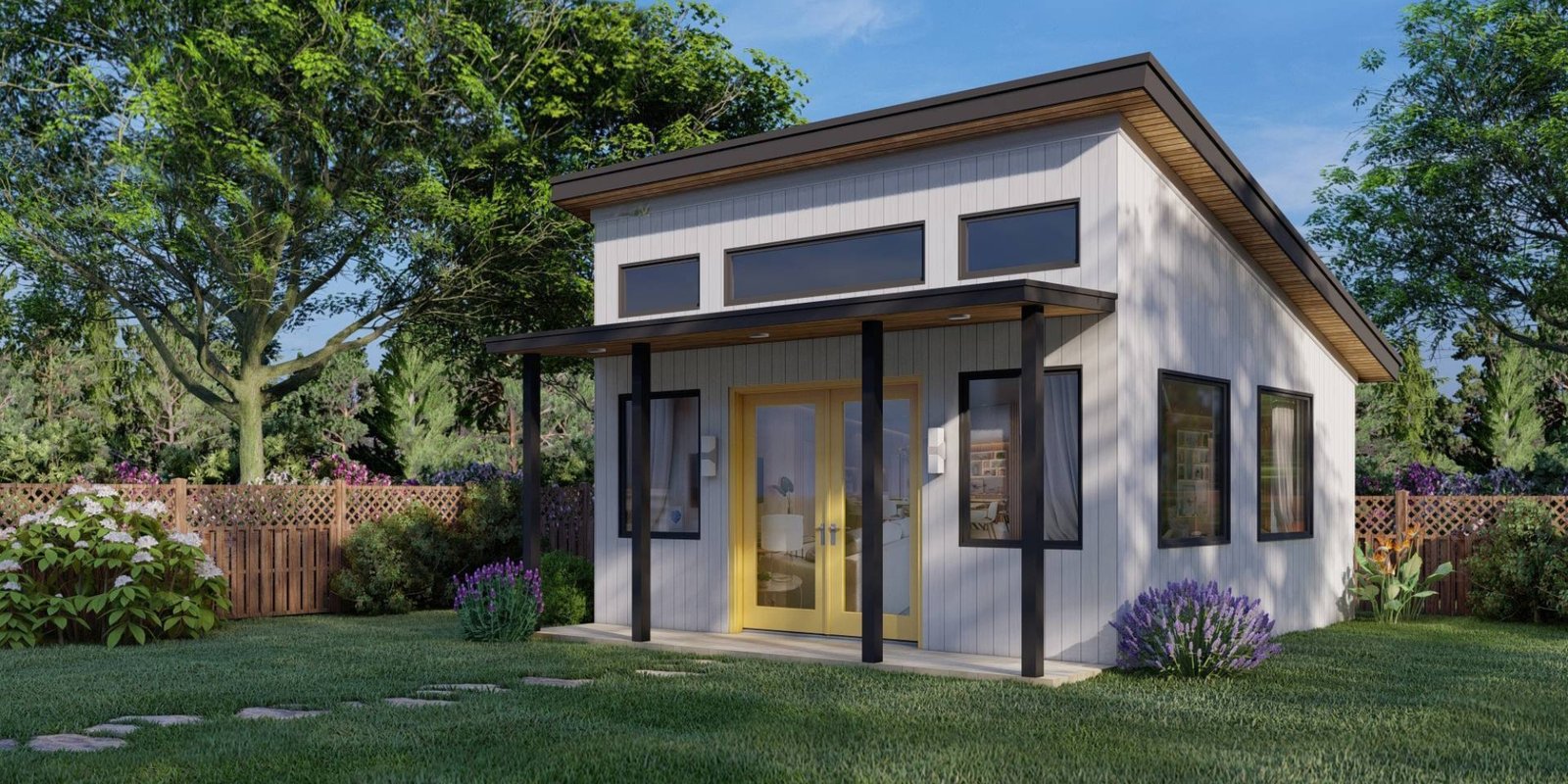
What is and ADU? An ADU is a small, independent living space built on the same lot as a primary home. It includes a kitchen, bathroom, sleeping area, and its own entrance. It can be attached to the main house or built as a separate structure.
– Homeowners consider ADUs for many reasons
– Housing aging parents or adult children
– Creating long-term rental income
– Adding flexibility without moving
– Increasing property value
– Planning for future lifestyle changes
In most cases, an ADU must remain under the same ownership as the main home and is intended to function as a secondary residence, not a subdivision.
Can I Build an ADU on My Property Under Local Rules?
This is where the details matter. Even when ADUs are allowed in a city, they are governed by zoning regulations that control where, how, and what can be built.
- Local rules determine
- Which zoning districts allow ADUs
- Whether the unit must be attached or detached
- How large the unit can be
- Where it can sit on the lot
- How it connects to utilities
City guidelines are enforced through permitting and inspections, and compliance is reviewed before construction begins.
The Main Factors That Determine ADU Eligibility
Zoning and Development Code Requirements
Every city uses a development code to define what types of structures are allowed in each zoning district. In many cases, ADUs are permitted only when they remain accessory to a primary residence and meet specific design and placement standards.
This is also where land development standards come into play, including how the ADU relates to the main home and surrounding properties.
Setback Rules, Lot Size, and Property Layout
Setback rules control how close a structure can be built to property lines. These rules vary by zoning district and lot configuration and often limit where an ADU can be placed.
Lot width, depth, and existing structures all affect feasibility, especially in established neighborhoods.
Height Restrictions and Size Limits
Most cities place height restrictions on ADUs to ensure they remain visually subordinate to the main home. Size limits may also apply, particularly for detached units or units built above garages.
These limits are designed to preserve neighborhood character while still allowing flexibility.
Utility Installation and Infrastructure Access
An ADU must connect to water, sewer, and electrical systems. Utility installation is reviewed during permitting to confirm capacity and connection methods.
Properties with limited access, older infrastructure, or unique site conditions may require additional planning.
Building ADUs in Practice: What Homeowners Often Overlook
Beyond regulations, real-world construction factors often determine whether a project is practical.
These include
– Access for construction equipment
– Tree protection requirements
– Grading and drainage
– Stormwater management
– Coordination with inspectors and code enforcement
This is where working with an experienced builder becomes valuable. Knowing the rules is one thing. Applying them correctly to a real property is another.
Why Carolina's Building Co?
Years With Charlotte Zoning
Help You Through The Process
ADU Experts
HOA Rules, Deed Restrictions, and Other Private Limitations
Even if a city allows ADUs, private restrictions can still apply. Homeowners associations and deed covenants may limit or prohibit additional dwelling units.
These rules are separate from city approvals and must be reviewed carefully before planning begins.
A Simple Property Checklist to Assess ADU Feasibility
You may be a good candidate for an ADU if
– Your property is within city limits
– Zoning allows accessory units
– Your lot has adequate access
– Utilities can support an additional unit
– There are no HOA prohibitions
If one or more of these items is unclear, a feasibility review can prevent costly mistakes.
How Long It Takes and What It Typically Costs
ADU timelines vary widely. Planning, permitting, and construction can take several months to over a year depending on scope, design, and site conditions. normally averaging out to only 3-6 months with Carolina’s Building Company!
Costs depend on size, layout, materials, site work, and whether the unit is attached or a detached dwelling. City programs may offer financing options for qualifying homeowners, but each program includes specific requirements.
When It Makes Sense to Talk With a Builder
If you are unsure about zoning, utilities, or site limitations, that is usually the right time to speak with a professional. A qualified builder can help interpret regulations, coordinate permitting, and identify issues early.
This saves time, reduces risk, and provides clarity before major decisions are made.
How Carolina’s Building Company Helps Homeowners Navigate ADU Projects
As the Top Rated ADU Builder in Charlotte NC We help homeowners understand their options clearly and honestly. Our role is to guide you through planning, permitting, and construction with transparency and care.
We coordinate design, approvals, and construction so your project moves forward smoothly and stays aligned with local requirements.
Frequently Asked Questions
We believe in clarity from the start. Here are answers to a few questions
We often hear from our ADU clients across the Carolinas.
Can I rent out an ADU long term?
In many cases, yes, but rental rules depend on local policy and program participation.
Do ADUs need separate utilities?
They often share or connect to existing services, subject to approval.
Can an ADU be built above a garage?
Sometimes, depending on zoning and structural feasibility.
Is an ADU allowed on a single-unit detached home?
In many zoning districts, ADUs are permitted only as accessory units to a single-unit detached residence, subject to approval.
Ready to Find Out If an ADU Is Possible on Your Property?
Every property is different. If you want clear answers instead of assumptions, we are here to help.
A short conversation can determine whether an ADU makes sense for your property and what the next steps would look like.
Proudly Serving Carolina’s Most Sought-After Communities
From the vibrant streets of Charlotte and across Carolina, Carolina’s Building Company brings luxury home construction, ADU design, and high-end remodeling to homeowners across the region.
- Charlotte, NC
- Mint Hill, NC
- Huntersville, NC
- Davidson, NC
- Tega Cay, SC
- Matthews, NC
- Waxhaw, NC
- Mooresville, NC
- Indian Land. SC
- Fortmill, SC