



How Long Does It Take to Build an ADU?
Most ADU projects take 3 to 6 months, depending on the scope, the design, and site challenges. Factors such as grading, crew access, weather, and HOA requirements can influence the schedule.
Typical ADU Build Time for Charlotte Homeowners
Here is the straight answer to the question people are really asking in real life.
For most homeowners, the average time from first meeting to final walkthrough is 3 to 6 months.
In some cases, it can take longer. If a project needs major utility upgrades, heavy grading, or multiple review cycles, it can stretch to eight to twelve months. That is not common, but it is possible, and it is better to plan for reality than get blindsided.
A Simple Schedule You Can Understand
Instead of guessing, think of the work as three clear phases. This is the ADU timeline we see most often in the Charlotte area.
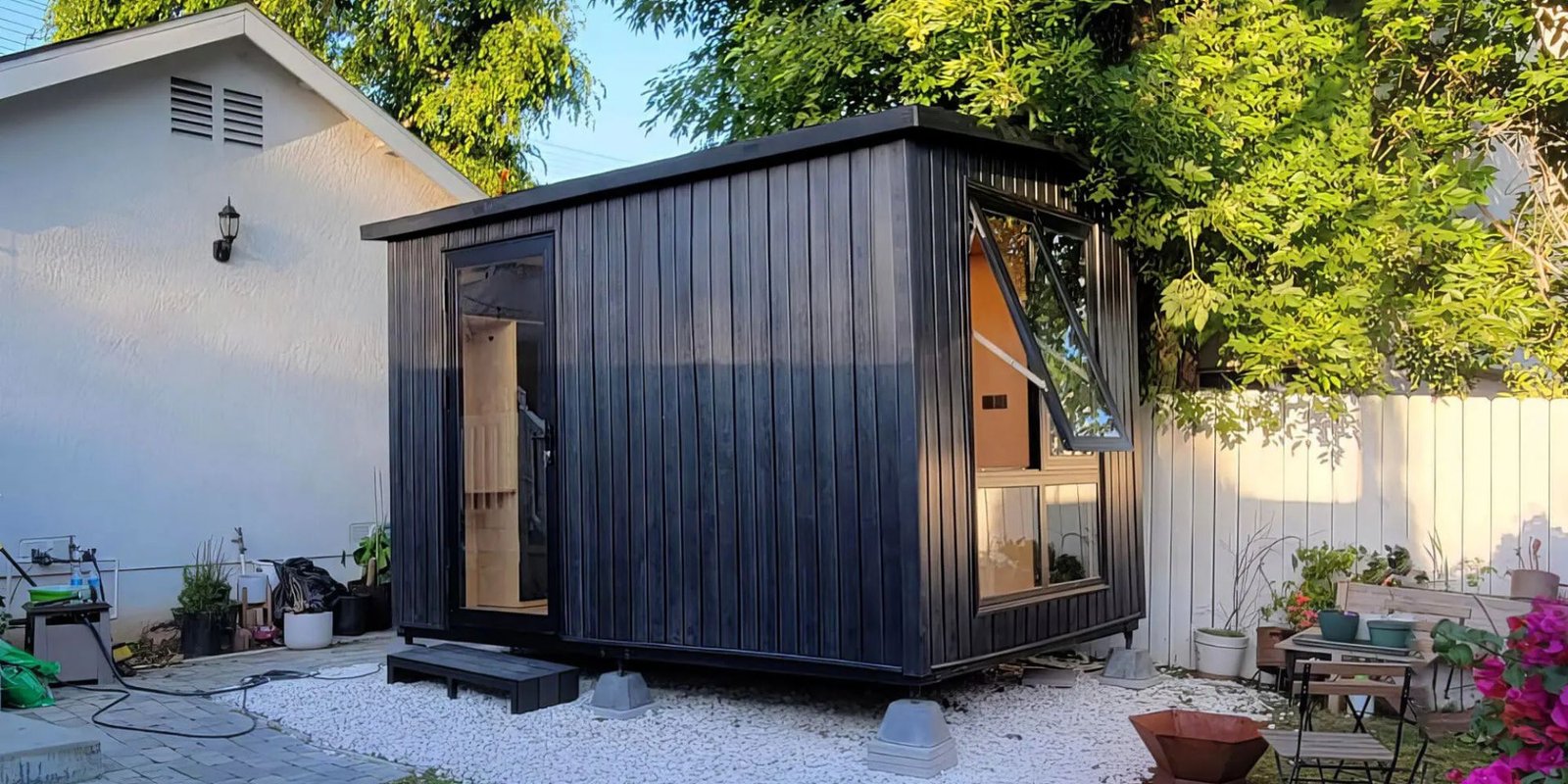
ADUs in Charlotte can be detached backyard cottages, garage conversions, or attached additions, and different ADUs can move at different speeds.
Design and decision making
Permitting and approvals
Construction and closeout
This same structure shows up across most construction timelines because it keeps the work organized and prevents rework.
Table of Contents
Quick Overview
Below is a high-level view. Your exact numbers depend on your lot, your drawings, and how custom the layout is.
Planning phase: a few weeks to a couple of months
Permitting process: a few weeks to a few months (City of Charlotte ADU resources)
ADU construction: about 3 to 4 months for many ADUs
Closeout: about 1 to 3 weeks, including an inspection
Step One Design and Planning Before Work Starts
This is where homeowners either protect the schedule or accidentally wreck it.
Good design is not just a pretty layout. It is a set of drawings that fit your property, budget, and local rules. When the design phase is rushed, it usually comes back later as changes, stress, and extra cost.
What happens in this phase?
If you already have plans, we can review them and tell you what might affect time and cost before anything gets submitted.
Define the goal for the ADU, rental, family, office, or guest space
Review the site, access, setbacks, and existing service line locations
Confirm layout, size, and key design choices
Coordinate engineering when needed
Prepare the documents for submittal
Your responsiveness matters. Fast decisions keep the process moving. Slow decisions stretch the schedule before construction even begins.
Phase 2 Approvals in Charlotte
Approvals are often the part that people underestimate, because it feels slow from the outside.
The approval review usually includes plan review, comments, and revisions if requested. Many homeowners still call this the permitting stage, and that is fine, the key is understanding how it affects the schedule. In Charlotte and Mecklenburg County, the time can vary based on workload, complexity, and how clean the submittal is.
What helps approvals move faster?
Complete drawings with precise details
A design that fits the lot without pushing limits
Quick responses to reviewer comments
What can slow approvals down?
Missing details that trigger questions
Late design changes that force resubmission
Extra outside approvals tied to the site
We do not promise a specific number of days for approvals, because the city controls that part. What we do control is how prepared we are, how clear the drawings are, and how fast we respond.
Step Three Construction From Start to Finish
Once approvals are in place, the physical work begins. This is the construction phase that most people imagine, but it still follows a predictable order, even when building on tight lots.
1. Site preparation and mobilization
We start by getting the job ready for crews and materials. On tighter lots, we also plan access and protection so the ADU can be built safely. This is where early preparation can add time when access is limited, but it prevents bigger problems later.
2. Structure and rough pathways
Next comes the foundation work, along with the early coordination for water, sewer, and electrical pathways. Utility connections are not always complicated, but when upgrades are needed, they affect the schedule and sequencing.
3. Framing and weather tight exterior
Framing moves fast when the design is clear, and materials are ready. Then we push to get the ADU weather-tight, meaning the roof, windows, and exterior protection are in place.
4. Rough trades and checks
Mechanical, electrical, and plumbing rough work comes next. There are checks along the way, and one missed item can create construction delays, so we plan those moments early and keep the job organized.
5. Interior work
After the rough work is approved, we move on to insulation, drywall, trim, and final finishes. Picking selections early helps avoid last-minute changes that slow construction.
6. Closeout and final inspection
At the end, we handle the punch list, schedule the final inspection, and walk the space with you.
What Commonly Extends the Schedule in Charlotte
Most delays come from the same set of causes. Knowing them helps you avoid them.
Permit review backlogs, especially when revisions are required
HOA timing and extra steps
Utility upgrades that require coordination
Weather, especially during heavy rain stretches
Late changes after construction starts
Material lead times on specialty items
What We Control and What We Cannot Control
Here is the honest breakdown.
What we control.
Clear drawings and a clean sequence
Communication and project management
Trade scheduling and coordination
Consistent work during construction
Fast responses when issues come up
What we cannot control.
City review speed for approvals
HOA response time
Weather events
Manufacturer backorders on certain materials
Why Carolina's Building Co?
Years With Charlotte Zoning
Help You Through The Process
ADU Experts
How Carolina’s Building Company Keeps Your ADU Moving
We are a local residential general contractor serving the Charlotte metro area. Our goal is simple: to help you build an ADU with a predictable schedule and a straightforward process.
Here is how we protect time.
We guide early decisions to reduce rework
We coordinate design so drawings are ready for review
We keep communication clear and consistent
We schedule trades so the work keeps moving
We prioritize quality, because speed without quality is not worth it
Final Thoughts
Most homeowners can expect 3 to 6 months for an ADU in Charlotte when the design is clear, decisions are made early, and the process is managed well. Many ADUs fit that window, and we have seen ADUs stay on schedule when the early choices are handled well.
If your site has more significant challenges or you need major utility changes, it can take longer. The goal is not to rush; it is to keep the work moving with a clean sequence.
Ready to Talk About Your ADU
If you want a realistic schedule for your property, we can help. We will review the site, talk through your goals, and map out the phases so you know what to expect before you commit.
Reach out to Carolina’s Building Company to set up a consultation and get a clear plan for your ADU project. If you are comparing ADUs, we can also explain the differences in scope that change the schedule.
Proudly Serving Carolina’s Most Sought-After Communities
From the vibrant streets of Charlotte and across Carolina, Carolina’s Building Company brings luxury home construction, ADU design, and high-end remodeling to homeowners across the region.
- Charlotte, NC
- Mint Hill, NC
- Huntersville, NC
- Davidson, NC
- Tega Cay, SC
- Matthews, NC
- Waxhaw, NC
- Mooresville, NC
- Indian Land. SC
- Fortmill, SC